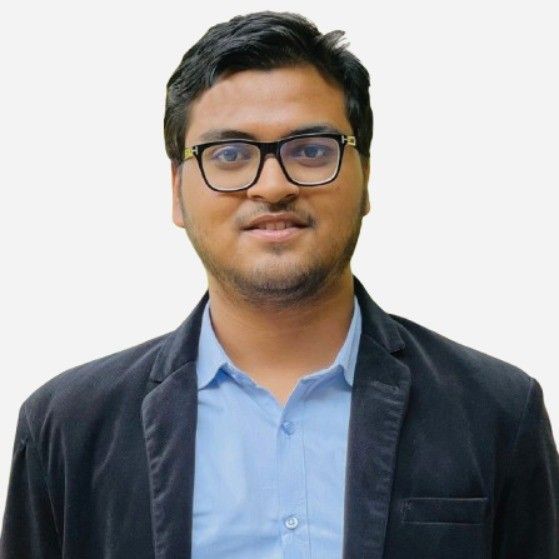
MIS Lecturer exploring how digital systems can drive equitable urban transformation. Passionate about ICT4D, smart governance, and bridging the urban-rural digital divide.
My lifelong fascination with technology has grown into a strong interest in how it can improve lives and strengthen society. This passion led me to pursue both bachelor's and master's degrees in Management Information Systems at Shahjalal University of Science and Technology, graduating with distinction (CGPA 3.79/4.00).
As an MIS lecturer at Leading University, I teach digital transformation, sustainable system designs, management science, and mathematics while supervising student research. My published work in Scopus Q1 and Q2 journals spans digital financial inclusion, Industry 4.0 readiness, and corporate sustainability — demonstrating a consistent record of quantitative, policy-relevant scholarship.
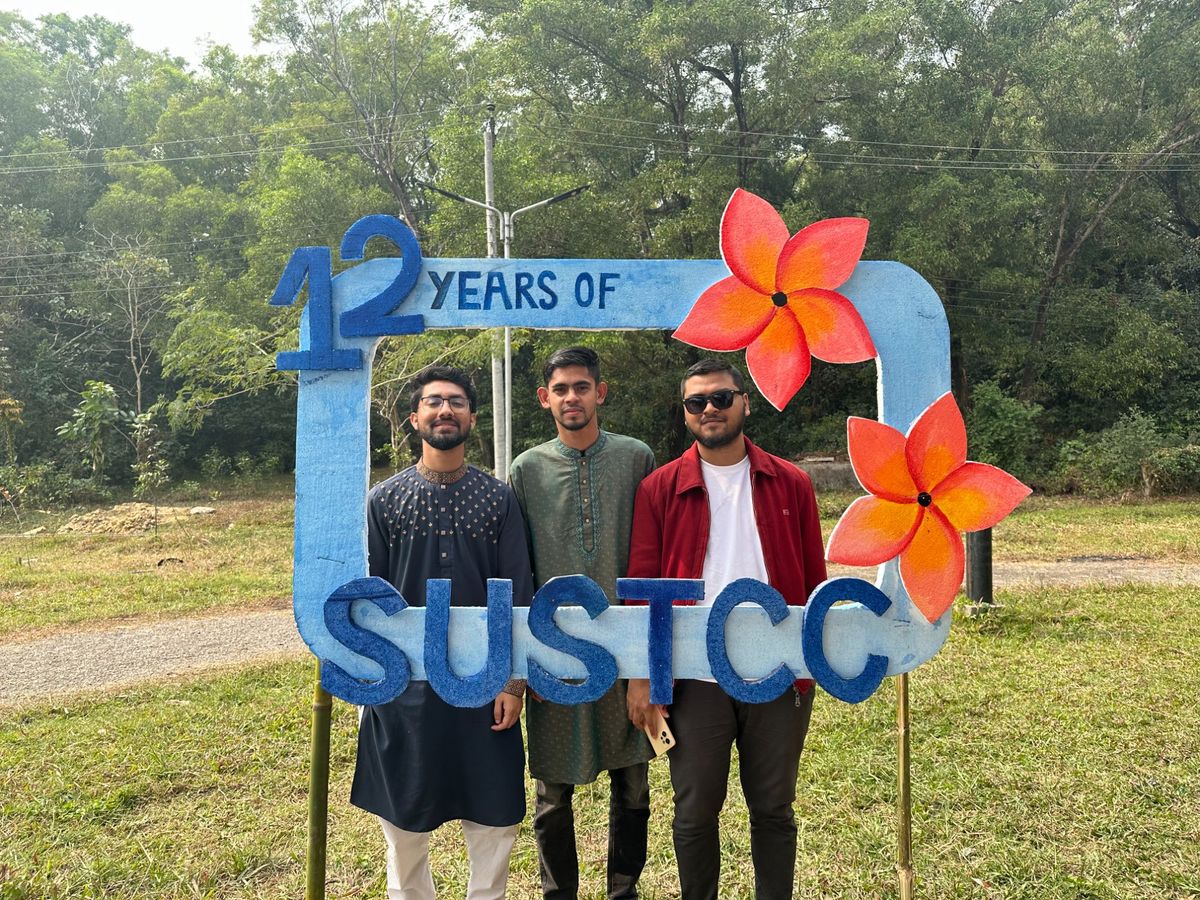
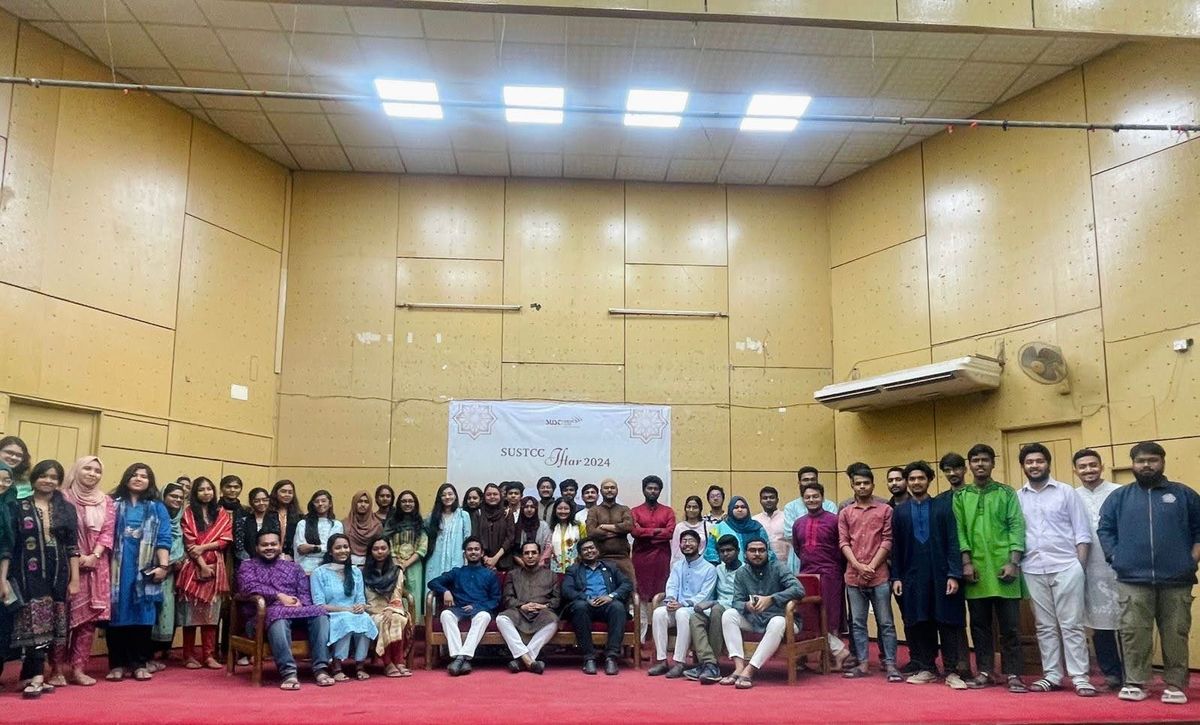
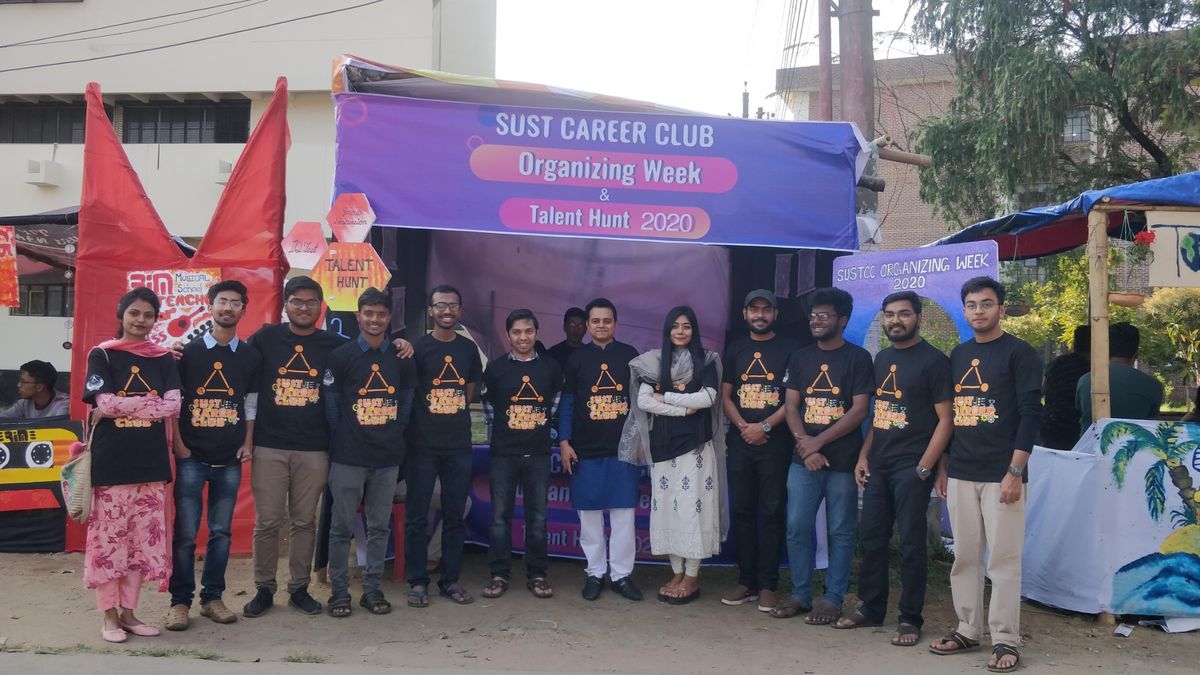
Serving as Joint Secretary of the SUST Career Club, building its website, and facilitating digital skills workshops took my understanding of digital tools beyond theory — I saw directly how they can strengthen institutions and communities.
Conducting MIS lectures, leading lab sessions, supervising student research and theses, preparing course materials and evaluating performance with structured feedback. Currently contributing to the Department of Business Administration, shaping future professionals in digital transformation and sustainable systems.
View Faculty Profile →Managed test center IT systems, HRIS operations (domestic and overseas), and served as Certified Test Center Administrator for UKVI-approved tests.
Designed course modules for IT in Business, HRM, and Family Business Management. Created video lessons and quizzes for the FAB VE online platform.
Managed hardware/software infrastructure, implemented security protocols, and maintained the company website ensuring continuous functionality and security.
Evaluated poverty reduction outcomes through expansion and deepening approaches using quantitative analysis, revealing the stark urban-rural digital divide in marginalised communities.
Analysing Fourth Industrial Revolution readiness of SMEs using statistical tools and developing assessment frameworks for enterprise sustainability evaluation.
Assessed infrastructure and policy challenges in South Asian e-commerce and conducted environmental impact analysis of supply chain operations.
Analysed corporate sustainability data using EViews, R, and Python regression models for SDG alignment and impact analysis.
Facilitated Focus Group Discussions and Key Informant Interviews. Performed statistical analysis using SPSS for microcredit programme evaluation.
How organisations and cities adapt to digital-first environments.
Building systems that balance efficiency with environmental responsibility.
Quantitative methods for evidence-based decision-making.
Foundational analytical skills underpinning data-driven research.
Information technology applications in modern business contexts.
Guiding student research in MIS, ICT4D, and sustainability.
As Joint Secretary of SUST Career Club, I led digital literacy training in urban Sylhet and rural Moulvibazar. The contrast was stark: urban participants engaged readily, while Moulvibazar faced low digital literacy, absent connectivity, and deep distrust of digital tools.
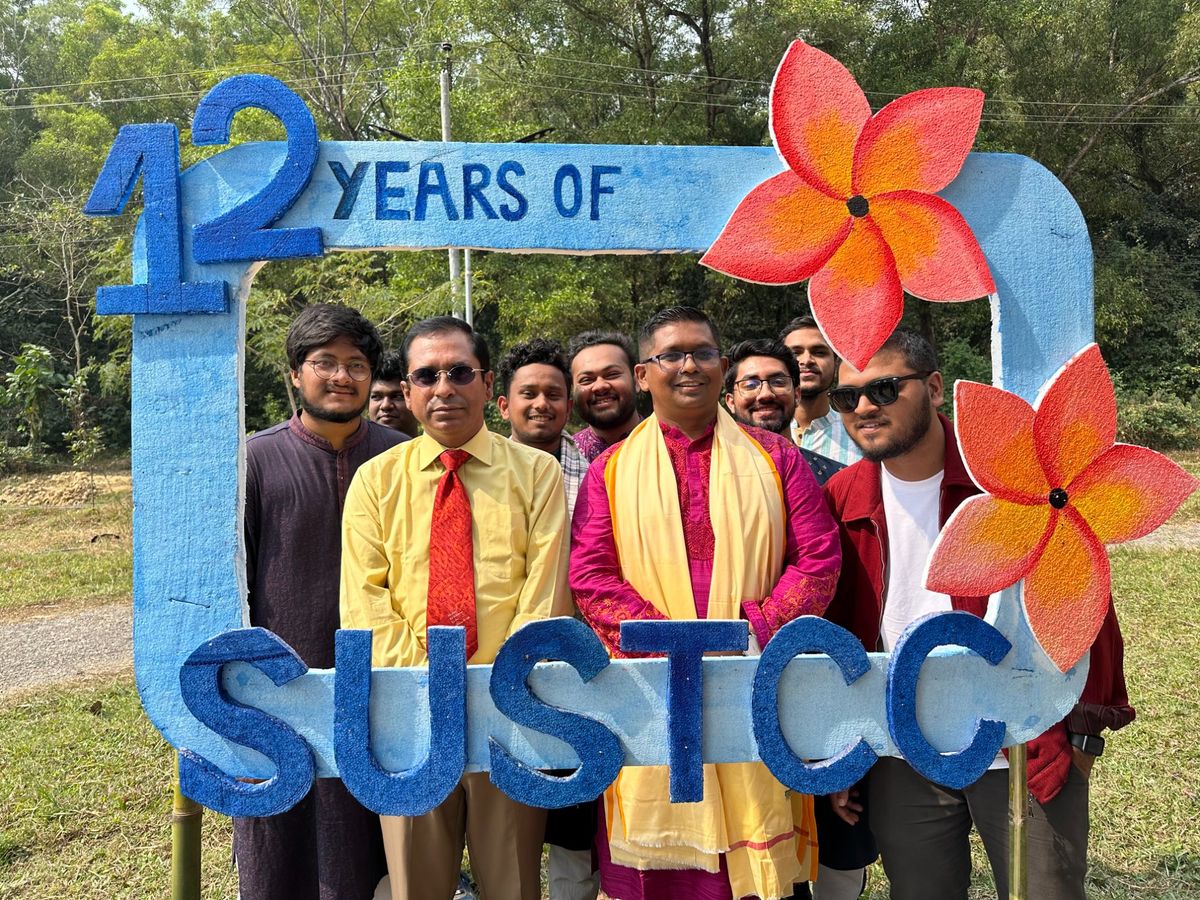
Rose from Departmental Executive to Joint Secretary (2019–2024). Developed the official website, led technical operations including database design and resource optimisation, and mentored students on both soft and technical skills.
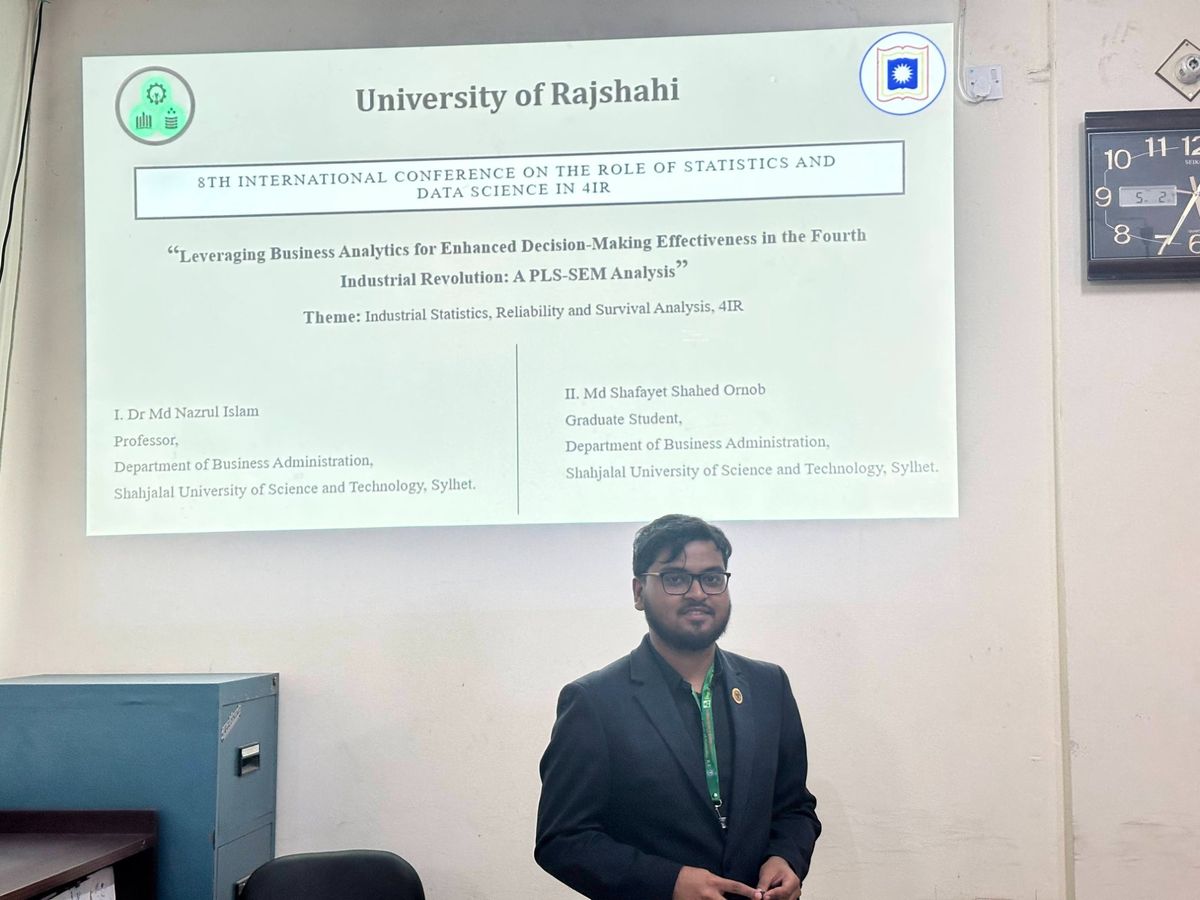
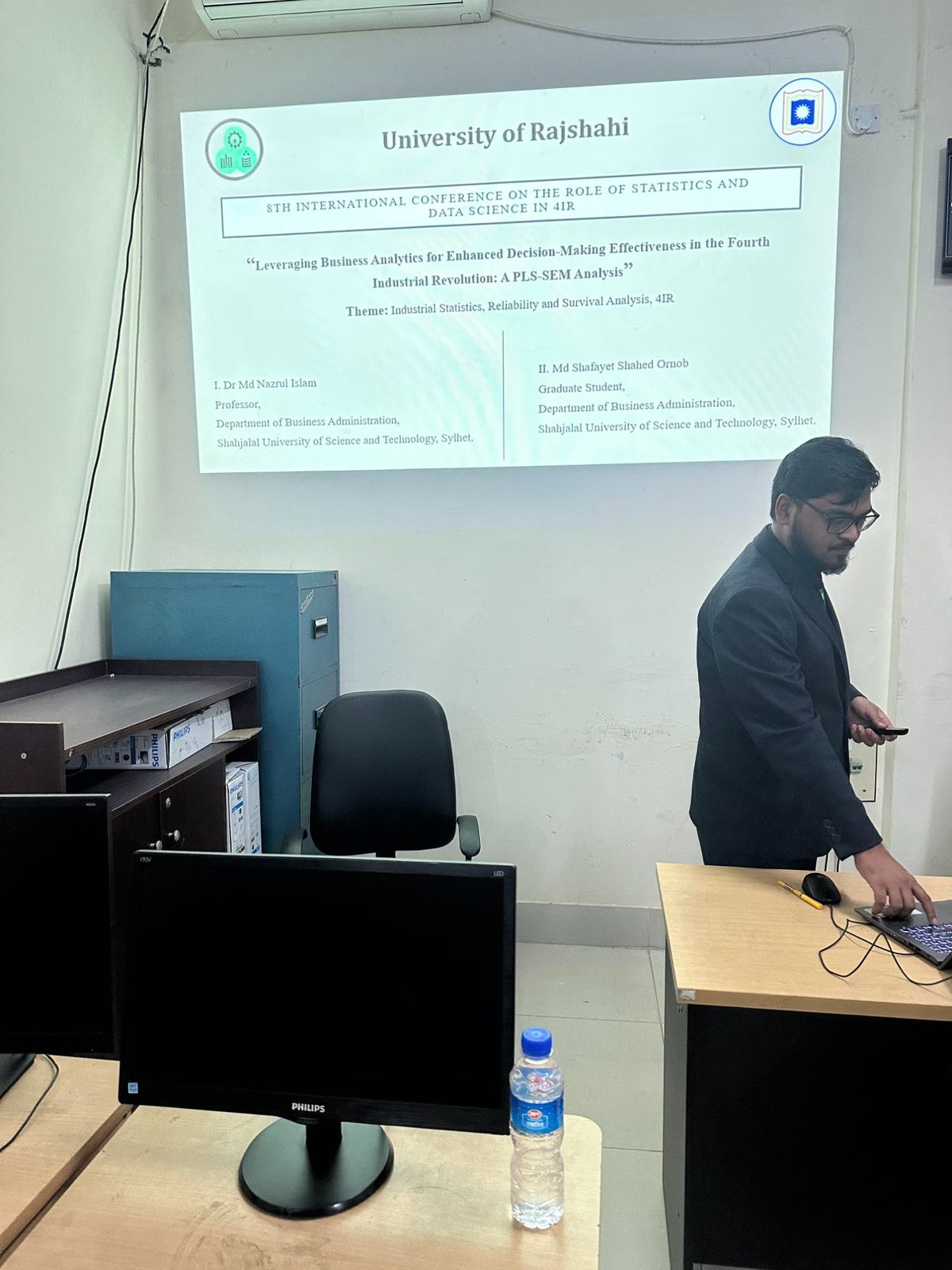
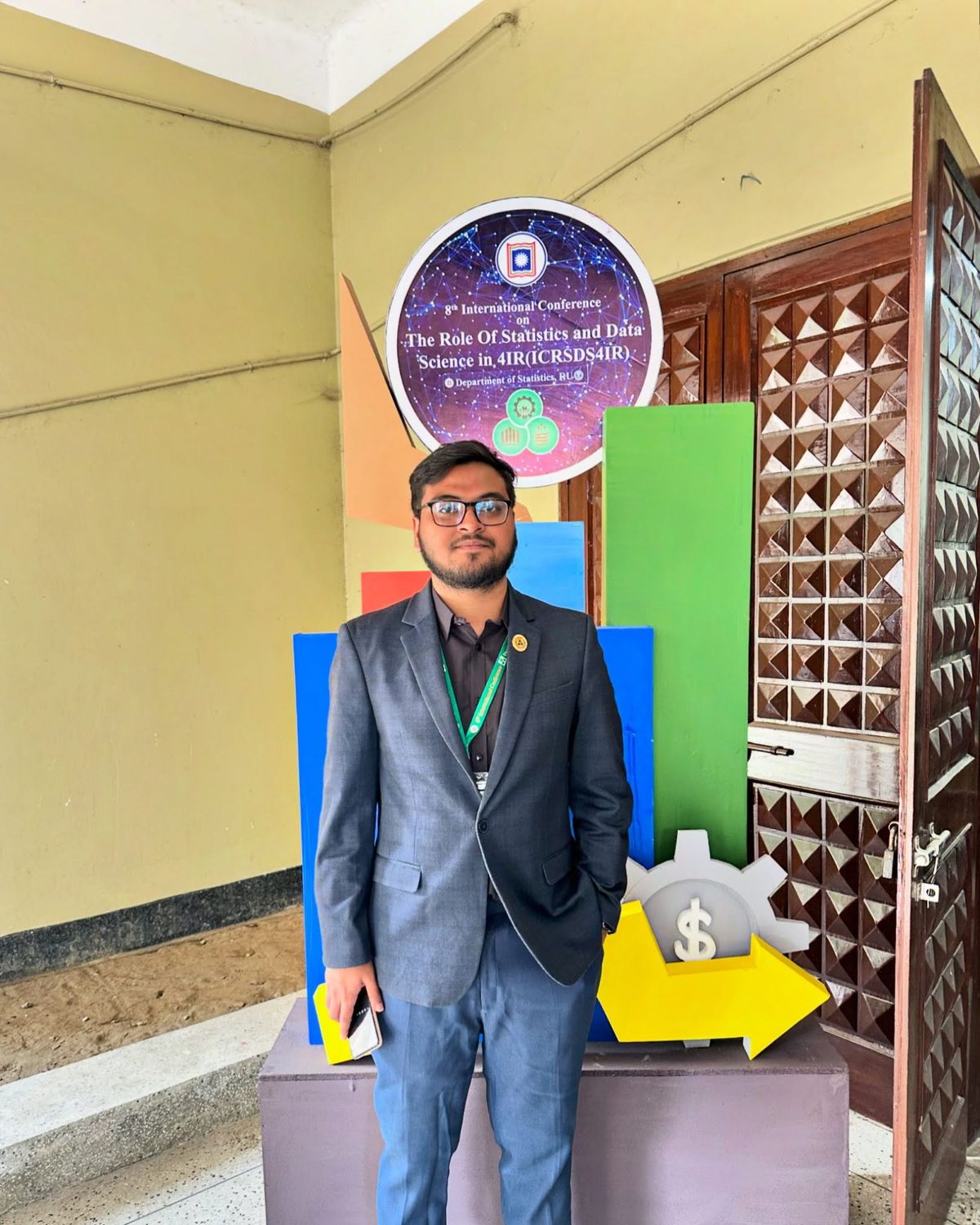
Grateful to have been part of Leading University — sharing reflections on teaching, academic growth, and the journey of shaping future professionals in Management Information Systems.
When SUST Career Club organised a campus-wide Job Fest to connect students with industry professionals and recruiters, I was right in the middle of it — not just as an organiser, but also as someone the media team pulled aside for an on-camera interview. It was a proud moment: helping build something from the ground up and then being recognised as a voice worth hearing.
The Job Fest brought together hundreds of students, multiple employers, and a buzz of energy that reminded everyone why career readiness matters as much as academic excellence.
Cities across the Global South are racing to adopt smart infrastructure, but the promise of data-driven governance often bypasses the communities it claims to serve. The real question is not whether cities should become smarter, but smarter for whom.
My fieldwork in Moulvibazar revealed what statistics alone cannot capture: the gap between urban and rural digital access is not merely about connectivity — it is about literacy, trust, and institutional design.
The Fourth Industrial Revolution promises transformation, but for SMEs across South Asia, the reality looks starkly different. Most enterprises lack the digital infrastructure, skilled workforce, and policy support needed to participate meaningfully.
How cities can establish rules on data stewardship so smart infrastructure serves everyone.
Ensuring marginalised populations are visible in urban data systems.
Post-industrial cities navigating 4IR while protecting vulnerable communities.
Spatial analytics to map exclusion and support evidence-based urban planning.
CityLab-style co-design that centres community voices in decision-making.
Digital systems knowledge to reduce divides and advance the SDGs.
Thesis: Strategic Digital Transformation for Competitive Advantage in Bangladesh
Bangladesh Mathematical Olympiad (Regional Round)
General Category, Board of Intermediate & Secondary Education
Board of Intermediate & Secondary Education, Sylhet